
Introduction
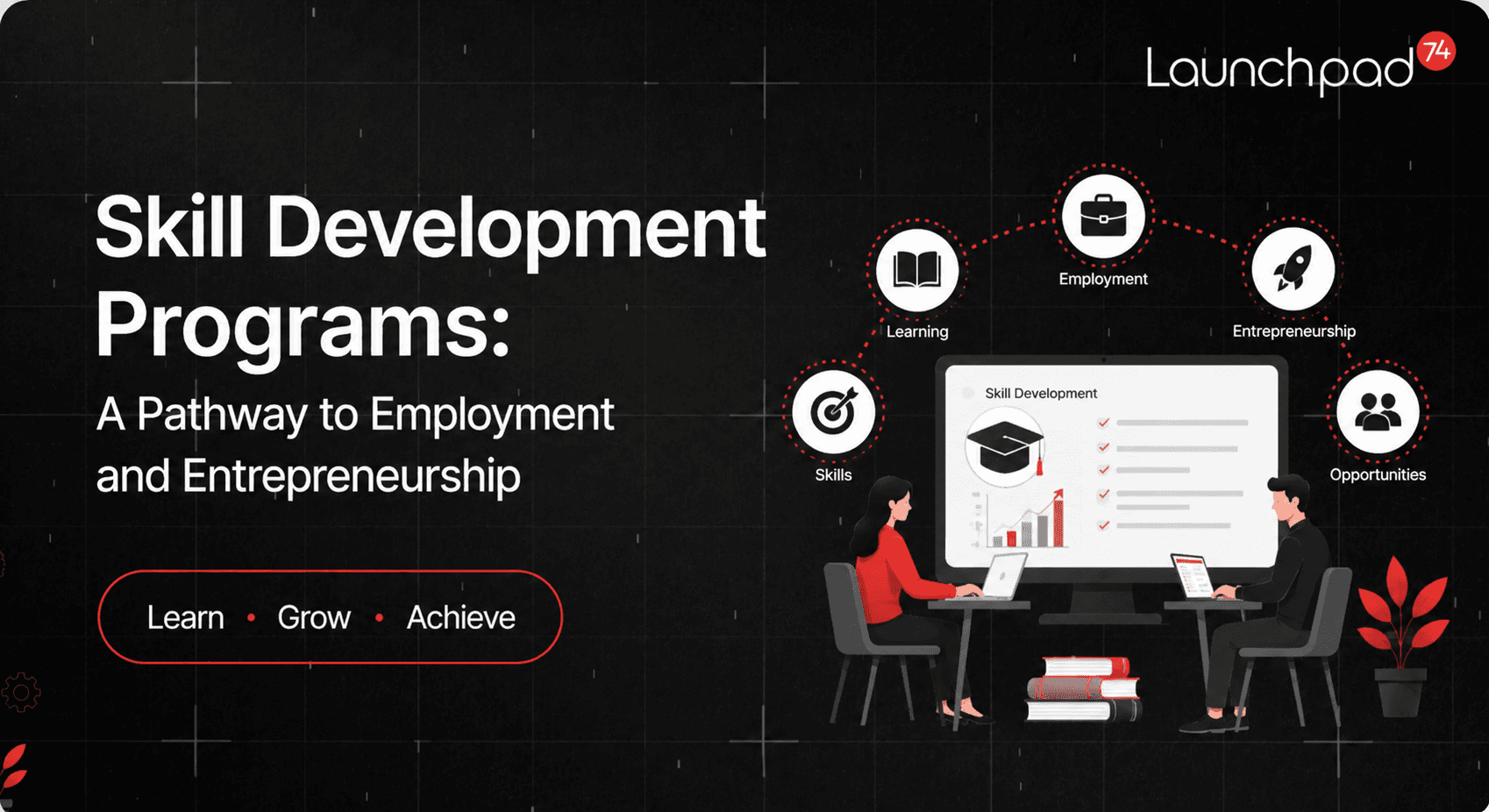
In today's fast-changing and technology-driven world, acquiring the right skills has become essential for career success. While academic qualifications provide a strong foundation, employers increasingly seek candidates who possess practical expertise, adaptability, and professional competence. Because of this increased need, the skill development program has become an important instrument for closing the education-to-employment gap.
From technical training to leadership development, skill development courses help individuals gain industry-relevant knowledge and practical experience. Whether delivered through classroom learning or online skill development courses, these programs prepare learners for real-world challenges and equip them with the confidence needed to succeed in their careers. Additionally, they play a vital role in fostering entrepreneurship by providing the knowledge and skills required to start and manage successful businesses.
Understanding Skill Development Programs
A skill development program is a structured learning initiative designed to enhance technical, professional, and personal competencies. These programs focus on practical learning and hands-on experience, ensuring participants are prepared to meet the expectations of modern employers.
Today, learners have access to a wide range of training opportunities, including classroom-based learning, industry workshops, and online skill development certificate courses. These flexible learning options make it easier for students and professionals to upgrade their skills while balancing other commitments.
Skill development programs often cover areas such as:
Communication and interpersonal skills
Leadership and teamwork
Digital literacy and technology skills
Project management
Problem-solving and critical thinking
Entrepreneurship and business management
Career planning and professional development
As industries continue to evolve, continuous learning through skill development becomes essential for long-term career growth and success.
The Role of Skill Development in Employment
Increased employability is one of the key goals of a skill development program. Employers today are looking for candidates who can contribute effectively from the first day on the job. This requires more than technical knowledge; it requires practical experience, adaptability, and professionalism.
Enhancing Employability
Skill development courses help learners acquire competencies that align with current industry demands. This increases their chances of securing meaningful employment and advancing in their careers.
Building Job Readiness Skills
Modern workplaces require individuals who can communicate effectively, work collaboratively, solve problems, and adapt to changing environments. Developing strong job readiness skills enables candidates to transition smoothly from education to employment and perform effectively in professional settings.
Strengthening Workplace Readiness Skills
In addition to technical expertise, employers value professionalism, time management, teamwork, and workplace ethics. These workplace readiness skills help employees integrate successfully into organizational cultures and contribute positively to business objectives.
Industry-Relevant Knowledge
Skill development programs are designed around current market needs, ensuring participants gain relevant and practical knowledge that can be immediately applied in the workplace.
Better Career Opportunities
Individuals with specialized skills often have access to a broader range of career opportunities and are more competitive in the job market. This can lead to higher earning potential and long-term career growth.
Skill Development Courses After Graduation
For many graduates, earning a degree is only the beginning of their professional journey. Employers frequently seek candidates who possess practical skills in addition to academic qualifications. As a result, skill development courses after graduation have become increasingly popular among students looking to improve their career prospects.
These courses help graduates:
Gain industry-specific expertise.
Improve communication and leadership abilities.
Develop technical and digital competencies.
Build confidence for interviews and workplace interactions.
Improve their chances of finding better jobs.
Graduates who invest in skill development often find themselves better prepared for the challenges and expectations of modern workplaces.
The Growing Importance of Online Learning
Technology has transformed the way people learn and develop new skills. Today, online skill development courses offer learners the flexibility to access high-quality training from anywhere and at any time.
Online learning platforms provide opportunities to:
Learn at a personalized pace.
Access expert-led training programs.
Balance education with work or personal commitments.
Explore a wide range of professional and technical topics.
Similarly, online skill development certificate courses provide recognized credentials that can strengthen resumes and demonstrate commitment to professional growth. These certifications often help learners stand out in competitive job markets.
Skill Development and Entrepreneurship
Skill development programs are more than just job preparation. They also serve as powerful tools for encouraging entrepreneurship and innovation.
Many aspiring entrepreneurs have creative ideas but lack the practical knowledge required to transform those ideas into successful businesses. Skill development training offers useful insights into:
Business Planning
Entrepreneurs learn how to create business models, identify target markets, and develop growth strategies.
Financial Management
Understanding budgeting, financial planning, and resource allocation is essential for building sustainable businesses.
Leadership and Team Management
Entrepreneurs must lead teams, manage operations, and make strategic decisions. Skill development programs help strengthen these capabilities.
Marketing and Customer Engagement
Learning how to attract, retain, and engage customers is crucial for business success in today's competitive marketplace.
Innovation and Problem-Solving
Entrepreneurial success often depends on the ability to identify opportunities and develop innovative solutions to challenges.
By building these competencies, skill development programs empower individuals to create businesses, generate employment, and contribute to economic growth.
Key Benefits of Skill Development Programs
Participating in a skill development program offers numerous advantages, including:
Enhanced employability and career readiness.
Development of job readiness skills and workplace readiness skills.
Improved communication and leadership abilities.
Greater confidence in professional environments.
Access to better career opportunities and earning potential.
Increased adaptability to industry changes.
Entrepreneurial knowledge and business management capabilities.
Opportunities for continuous learning and professional growth.
These benefits make skill development a valuable investment for anyone seeking long-term career success.
Conclusion
In an increasingly competitive job market, skill development has become a critical factor in achieving professional and entrepreneurial success. By combining practical training, industry-relevant knowledge, and personal development, skill development programs help individuals become more employable, adaptable, and confident. They equip learners with the job readiness skills and workplace readiness skills required to thrive in modern organizations while also providing the foundation needed to pursue entrepreneurial ventures. For individuals seeking a structured pathway toward career advancement and business success, the Launchpad 74 One-Year Skill Development Program offers a comprehensive learning experience designed to support long-term growth and achievement.
Frequently Asked Questions (FAQs)
1. What is a skill development program?
A skill development program is a structured training initiative that helps individuals acquire practical, technical, and professional skills needed for employment, career growth, and entrepreneurship.
2. Are online skill development courses effective?
Yes. Online skill development courses offer flexible, accessible, and industry-relevant learning opportunities that help individuals gain valuable skills and enhance their career prospects.
3. What are online skill development certificate courses?
Online skill development certificate courses provide specialized training along with certification that validates a learner's skills and knowledge in a particular field.
4. Which skill development courses after graduation are most beneficial?
The most beneficial skill development courses after graduation are those aligned with industry demands, such as digital marketing, data analytics, communication skills, project management, entrepreneurship, and technology-based training.
5. Why are job readiness skills and workplace readiness skills important?
Job readiness skills help individuals prepare for employment, while workplace readiness skills enable them to perform effectively, collaborate with colleagues, and adapt to professional environments.